Learning services that build confident UI/UX practitioners
Each service is designed to help you move from understanding UX fundamentals to delivering product-ready interfaces with research-backed decisions.
Service overview
Our services are modular so you can focus on specific needs or progress through a full learning sequence. We keep cohorts small to ensure each learner receives meaningful feedback.
- UX Foundations & Product Discovery
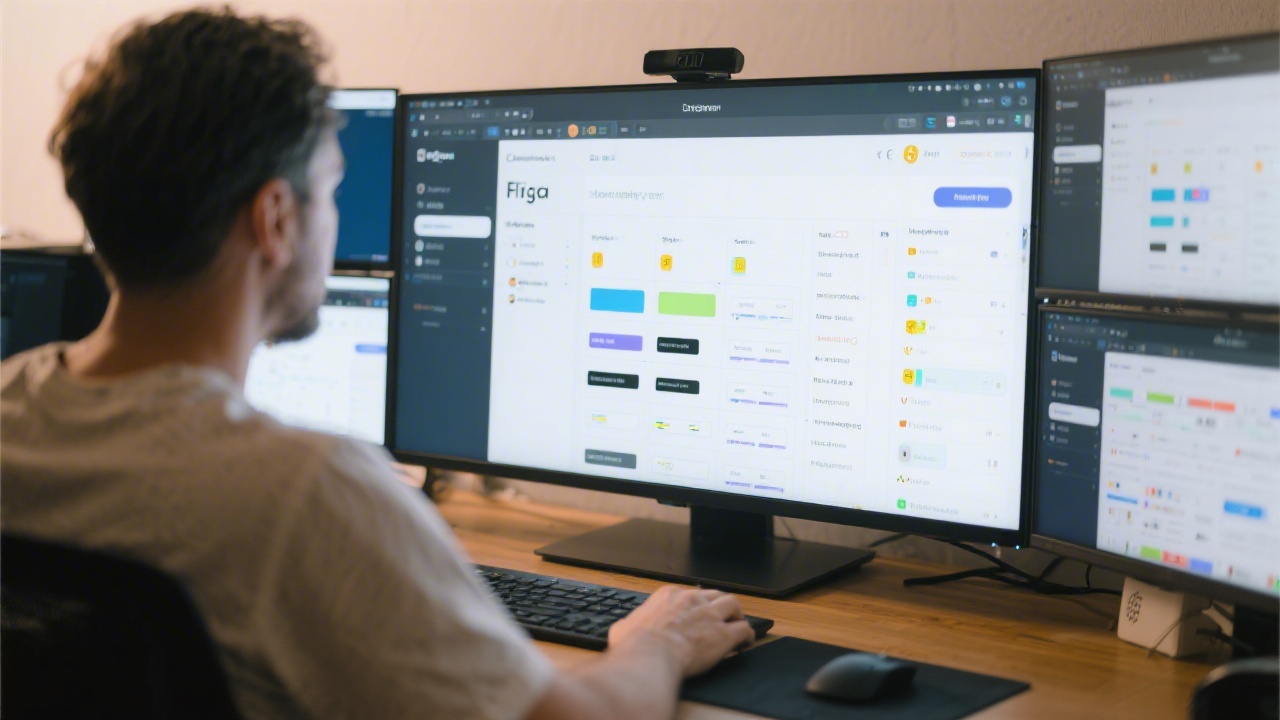
- Figma Interface Lab
- Usability Testing Sprint
- Product-Ready Interface Build
- Portfolio & Career Alignment
Core services
UX Foundations & Product Discovery
Learn to define user problems, map journeys, and articulate success metrics. This service provides the context needed before moving into interface design.
Figma Interface Lab
Hands-on labs focused on grids, typography, components, and interactive prototypes. You leave with a reusable UI system.
Usability Testing Sprint
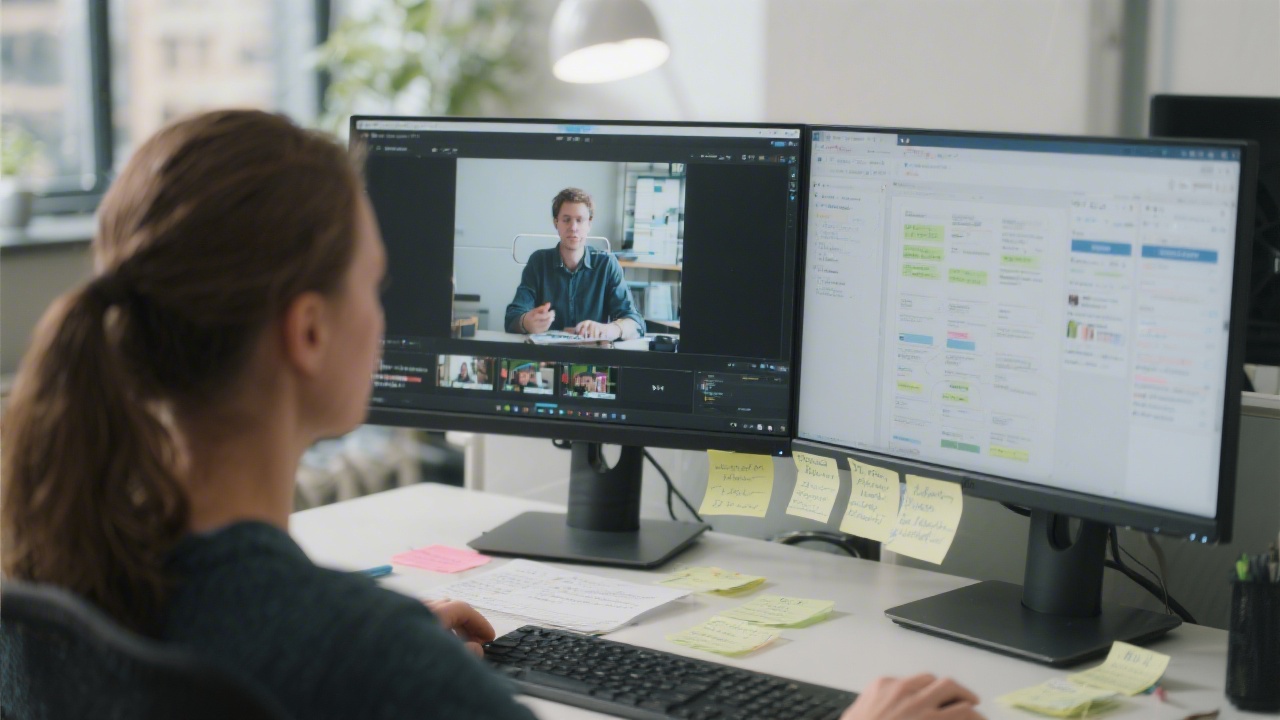
Plan, execute, and synthesise tests with real participants. Gain experience in reporting insights and prioritising improvements.
Product-Ready Interface Build
Transform research and structure into high-fidelity screens, design specs, and handoff documentation that align with development workflows.
Portfolio & Career Alignment
Craft detailed case studies and refine storytelling for interviews. We focus on presenting your process in a clear and confident way.
Flexible delivery options
Our services are delivered through live workshops, guided project time, and critique sessions. You can participate in part-time cohorts or focused sprints depending on your goals.
We prioritise real project work, so each session results in tangible outputs.
Tools and platforms used
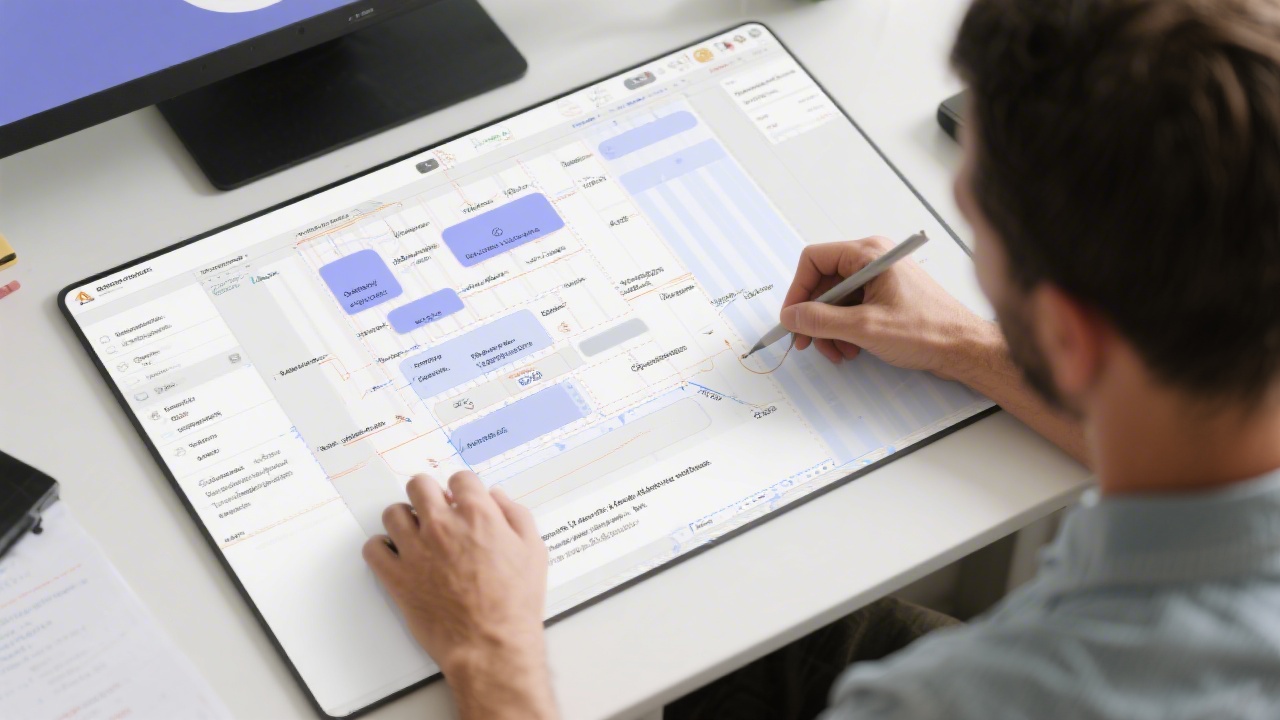
We work with Figma for interface design, Miro for collaboration, Notion for documentation, and testing platforms for feedback gathering. This mirrors the tool stack used by many Irish product teams.
You will leave with structured templates and workflows you can reuse in professional roles.
How engagement works
- Share your goals and current experience level.
- We recommend a learning path and expected milestones.
- Join the next available cohort or book a sprint.
- Complete deliverables and receive structured feedback.
- Finish with portfolio-ready outcomes and next-step guidance.